
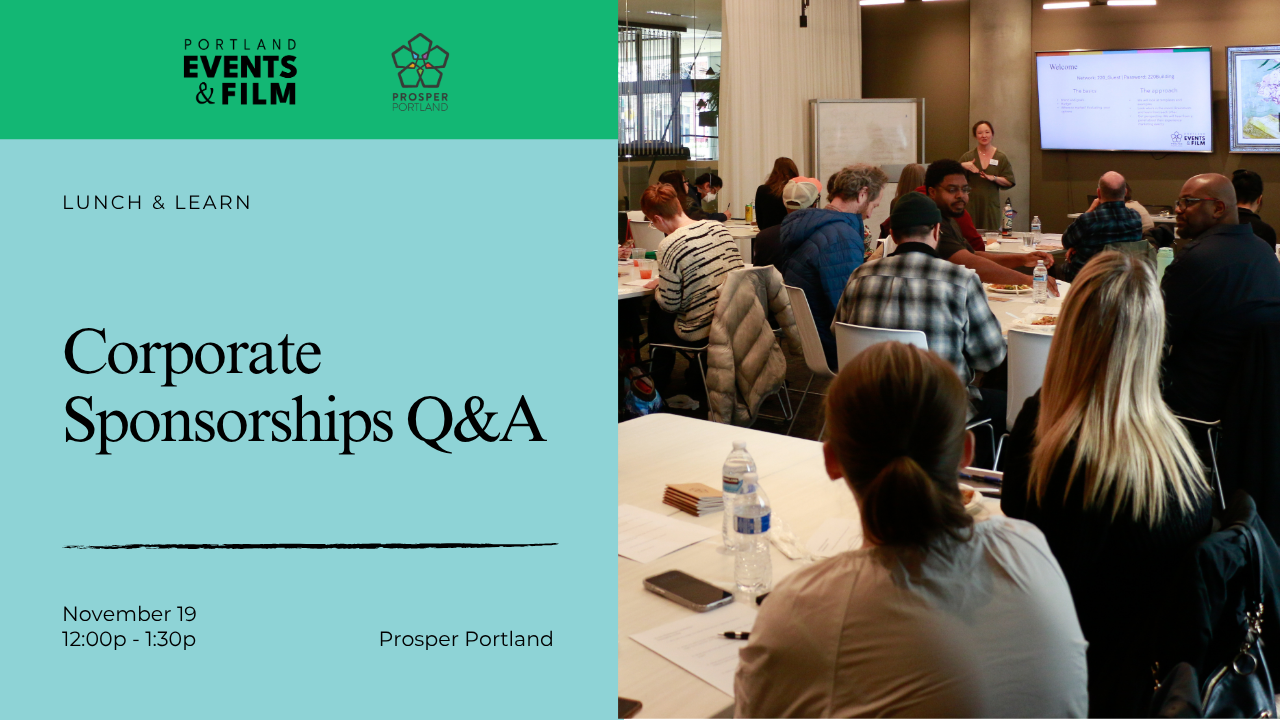
Event Lunch & Learn: Corporate Sponsors
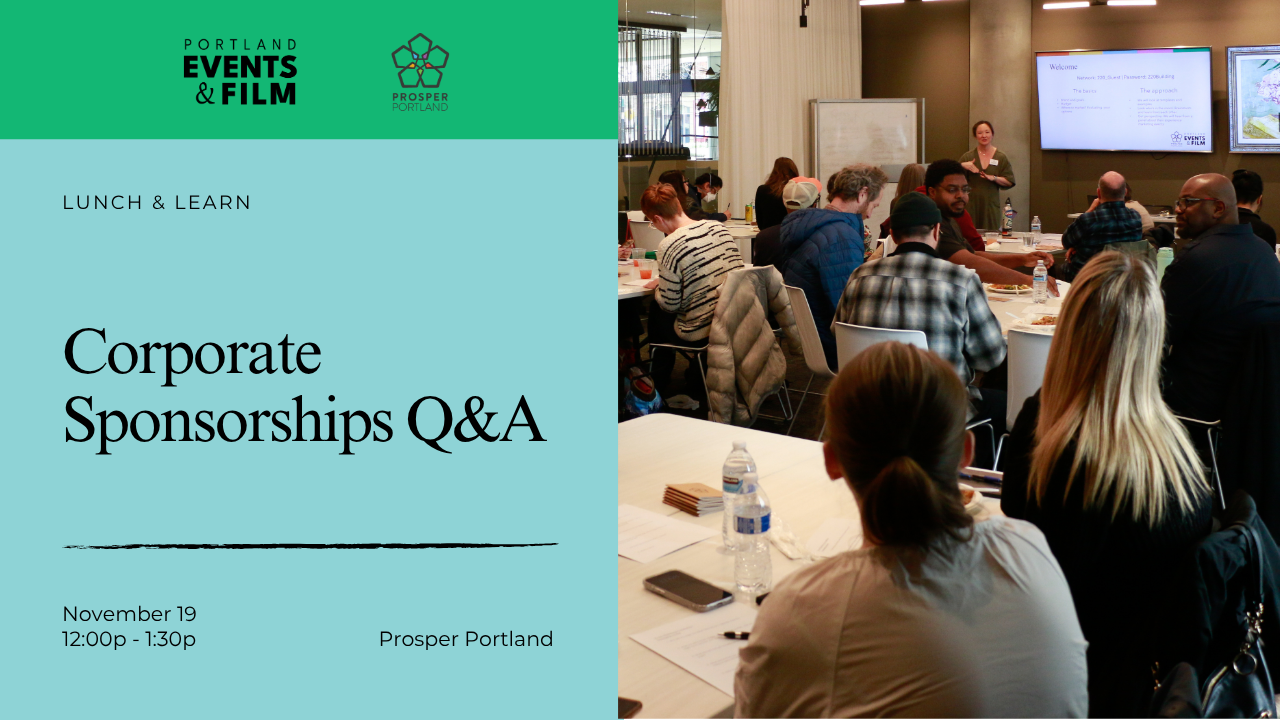
Corporate Sponsorship Strategies Workshop
Wednesday, November 19th, 2025
Panelists:
· Dan Scheinman, Principal & Founder, Priority Partnerships
· Mike Thelin, Principal & Founder, Bolted Consulting/Co-Founder & President, Feast Portland
· Rhett Acelar, Founder & Owner-Operator, Partnership Development, Event Enthusiast
Why Corporations Sponsor Events
Corporations sponsor events primarily to advance their business objectives, not as charitable donations.
Objectives differ: employee pride, product sales, content creation for digital engagement, or community alignment.
It's crucial to consider "what's in it for them" and tailor sponsorship proposals to each company’s goals.
Avoid assumptions about corporate goals; ask and listen to uncover specific needs and initiatives.
Making "money talk" less intimidating will help you approach sponsorship discussions as opportunities.
Understanding and Communicating Value
Events should highlight both quantitative (impressions, sales, samples) and qualitative (brand alignment, pride of place, unique experiences) value.
Focus on what makes the event unique and why attendees are passionate.
Sponsors value authentic connections to audiences, which events can provide better than traditional ads.
Audience access and engagement are central selling points; assets like branding are vehicles for that connection.
Post-pandemic and current economic climates have made brands more selective with sponsorship spend, emphasizing strategic fit and justified ROI.
Building and nurturing relationships with sponsors during tough times can lead to long-term partnerships.
Approaching and Pitching Sponsors
Don’t start with a sales pitch; begin by listening and understanding the sponsor's business objectives and challenges.
Initial emails should be concise, focusing on the opportunity, audience, and unique value proposition.
Timing is important: approach potential sponsors during their budgeting cycles if possible.
Materials should be short, clear, and easy to forward.
Mike Thelin’s 2-10-20 Rule: Your deck should take no longer than two minutes to read, should be no more than 10 pages long, and should not have a font smaller than 20 points.
If a sponsor hesitates due to ROI concerns, ask for examples of what strong ROI looks like to them and tailor future proposals accordingly.
After an event, provide sponsors with thorough recaps, photos, metrics, and tailored information showing value delivered.
Managing Sponsor Relationships and Common Mistakes
Avoid taking sponsors for granted or assuming their continued support—acknowledge issues and proactively address them.
Foster year-round engagement, not just during the event cycle; thank sponsors and make them feel like valued community members.
Under-promise and over-deliver; fulfill all commitments and communicate often.
For new or smaller events, clarity of pitch, marketing strategy, and realistic expectations are key to securing sponsorships.
Strategic partners (like tourism boards or key media) are crucial for new events, helping build credibility and shared interest.
If budget timing isn’t ideal, an exceptional idea can still unlock funding; be prepared to ask what it would take to reallocate budgets.
Leveraging Partnerships, In-Kind Donations, and Long-Term Growth
Multi-year sponsorships are often business-driven but may include corporate responsibility motives; being indispensable and fostering strong relationships is key.
Event organizers should seek to do business with their sponsors, creating mutual benefit (e.g., bank with your bank sponsor).
When introducing sponsors to others, remember that an introduction is an endorsement—only do so if confident in the outcome.
In-kind sponsorships (venue, services, product) can be a foot in the door, especially if they enhance the attendee experience.
Converting in-kind to cash sponsorship is possible but not guaranteed; a clear win-win-win for the event, sponsor, and audience is necessary.
For pricing new events, start with honest conversations about mutually beneficial value and be flexible based on market feedback and sponsor willingness to pay.
Persistence and relationship nurturing are crucial when sponsors go silent—follow up without being pushy, and keep potential champions engaged.
Suggested Action Items
Review and refine sponsorship pitches to focus on sponsor objectives and unique event value.
Develop concise, forwardable presentation materials.
Prepare strategies for both in-kind and financial sponsorship approaches.
Establish processes for timely, data-driven post-event recaps tailored to sponsor needs.
Nurture relationships with current and potential sponsors year-round, not only during the event cycle.
Invest in strategic partnerships to bolster new events and create shared value.
Gather and implement feedback from sponsors and attendees to improve future pitches and events.